A VILLAGE SHAPED BY WATER
Sometimes a place is discovered by intention. Sometimes by a storm.
In the 1870s, Lewis B. “Uncle Lew” Midyette was traveling by sail between New Bern and his home in Dare County when a gale forced him to seek refuge in the protected waters near Smith Creek. Local legend holds that when the weather cleared, Midyette went ashore and climbed a tree to survey the unfamiliar landscape. From above, he saw the broad Neuse River and a succession of creeks creating sheltered waters and natural harbors. He was captivated.
Midyette returned home, but not for good. He persuaded family and others to join him, and by the early 1870s the Midyettes had begun establishing themselves on the land that would eventually become Oriental.
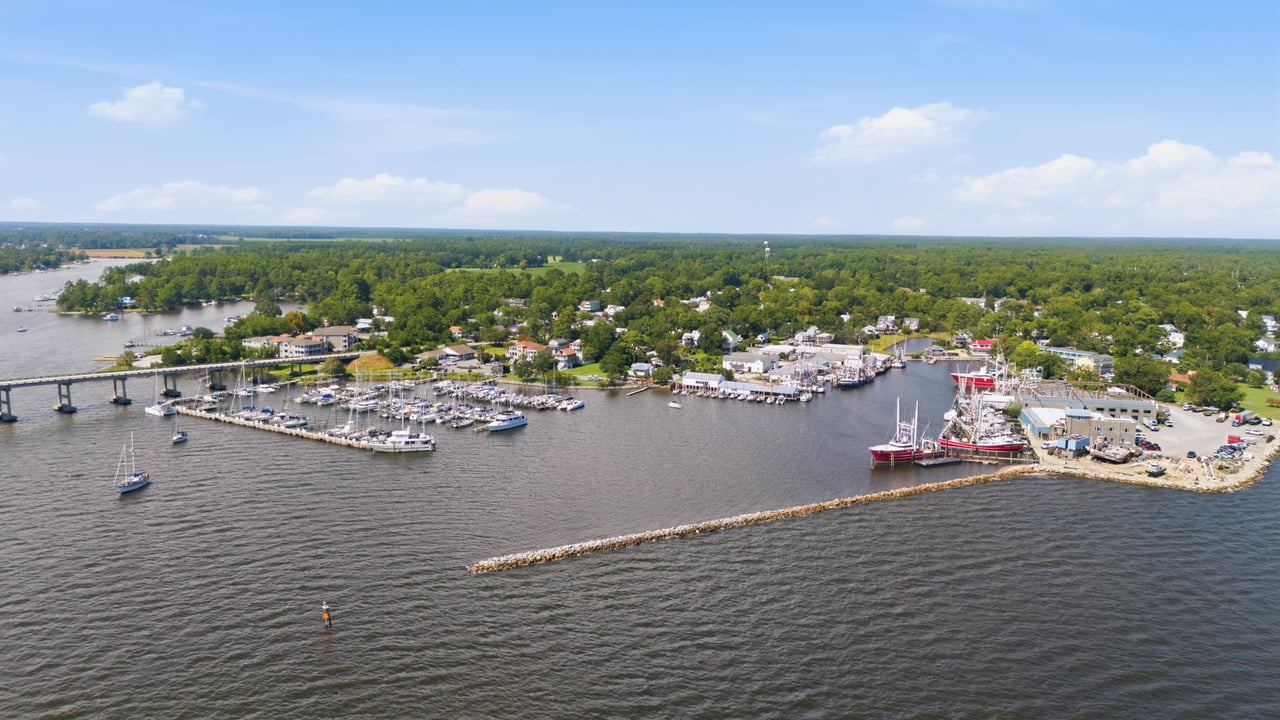
There is something fitting about the way Oriental came to be. A gale led one of its early settlers here. A shipwreck gave the village its name. And the water has defined it ever since. Fishing, farming, timber and commerce shaped the early community. Working boats occupied its waterfront, lumber moved through its docks, and the railroad connected this small river village with a larger world.
The industries have changed. The relationship with the water has not. Today, sailors and cruising boats travel the same Neuse and sheltered creeks that first caught Midyette's attention more than 150 years ago.
A NAME FROM THE SEA
The growing settlement was first known as Smith's Creek. Its eventual name would also come from the water.
In May 1862, during the Civil War, the Federal transport Oriental was wrecked off Bodie Island on North Carolina's Outer Banks. Years later, when a post office was established in the community, Midyette's wife Rebecca believed Smith's Creek deserved a more distinctive name. Local accounts vary in one charming detail: some say Rebecca found the ship's name board on the Outer Banks; others say she saw it displayed in a home in Manteo. What remained constant was the name that caught her imagination: ORIENTAL.
Smith's Creek became Oriental, and the village was incorporated in 1899.
A VILLAGE WITH A DRAGON
Oriental's history may have been shaped by water, but its character has been shaped by the people who chose to make a life here. Perhaps nothing captures that character better than a dragon.
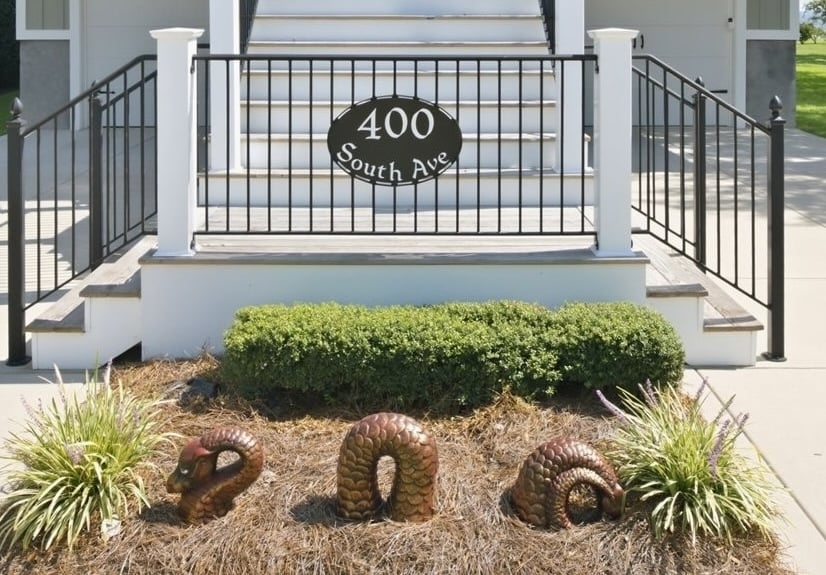
More than forty years ago, Oriental artist Joe Cox decided that a town called Oriental ought to have one. And so it did. A dragon began winding its way through the village as part of Oriental's New Year's celebration. What began as a bit of local imagination became tradition, and the dragon became one of the village's most recognizable symbols.
The story of Oriental eventually leads to one particular piece of ground along the Neuse.
A HOMESITE WITHIN THE STORY
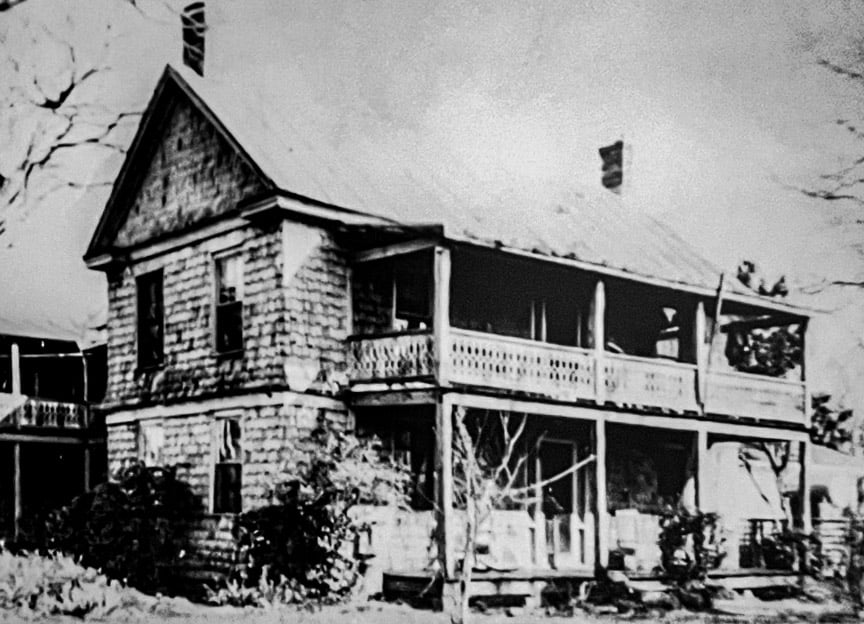
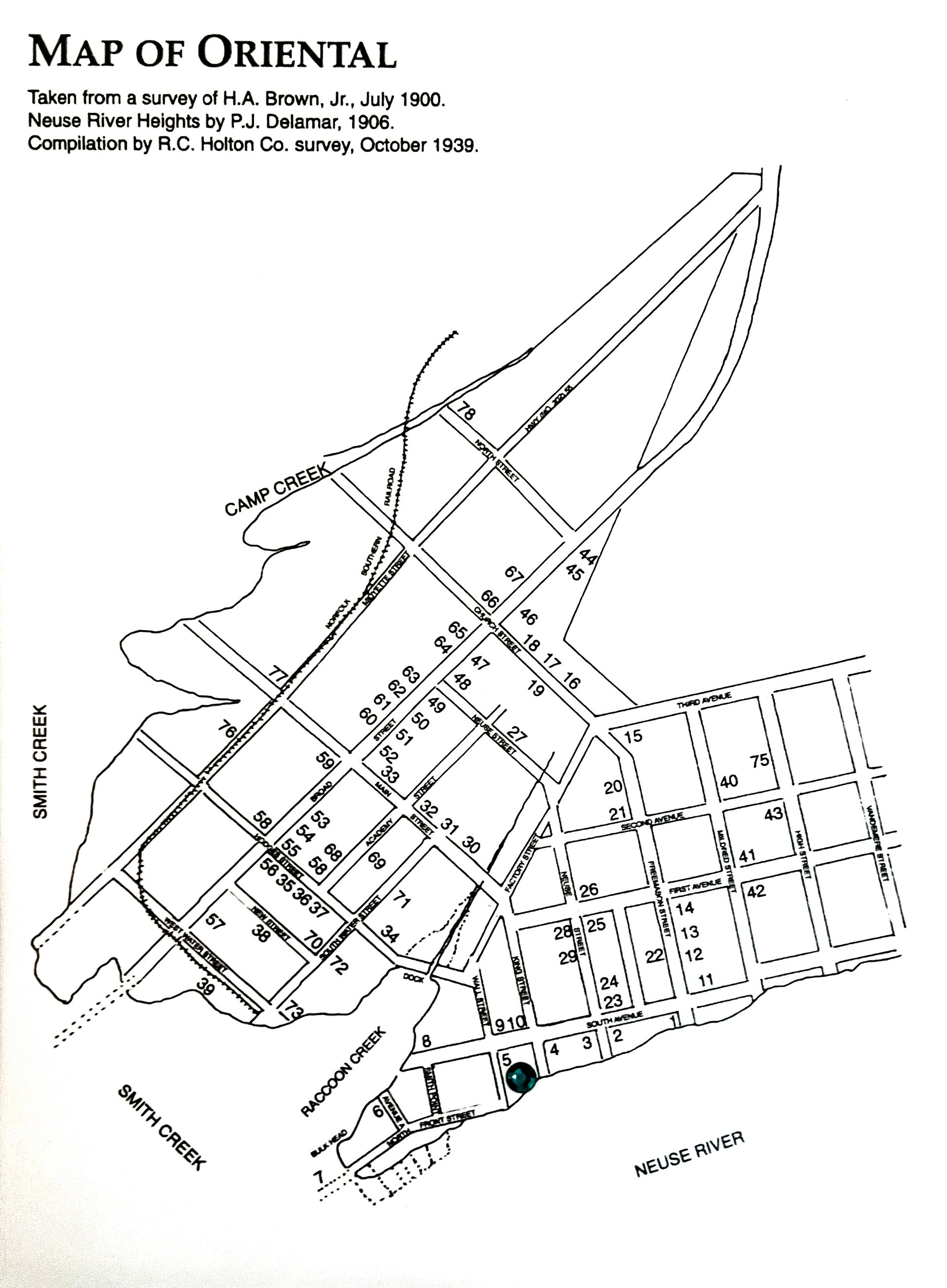
The land now known as 400 South Avenue has its own place within the village's history. Around the turn of the twentieth century, a two-story waterfront house stood here. Associated with the Midyette family, it became known as the Tumble Inn and, later, the Croaker House. The connection wasn't merely architectural or geographic. Oral histories preserve memories of the house as a gathering and lodging place. Oriental native Fay Bond, born Oma Fay Midyette, recalled being born in the Tumble Inn in 1923, when her parents were renting there. Her family history reached directly back to the Midyettes who came to settle Oriental in the 1870s. Other local recollections remember the Godfrey family operating the Tumble Inn and renting rooms to visitors. The old house eventually disappeared. The homesite remained.
THE SAME WATER. A NEW CHAPTER.
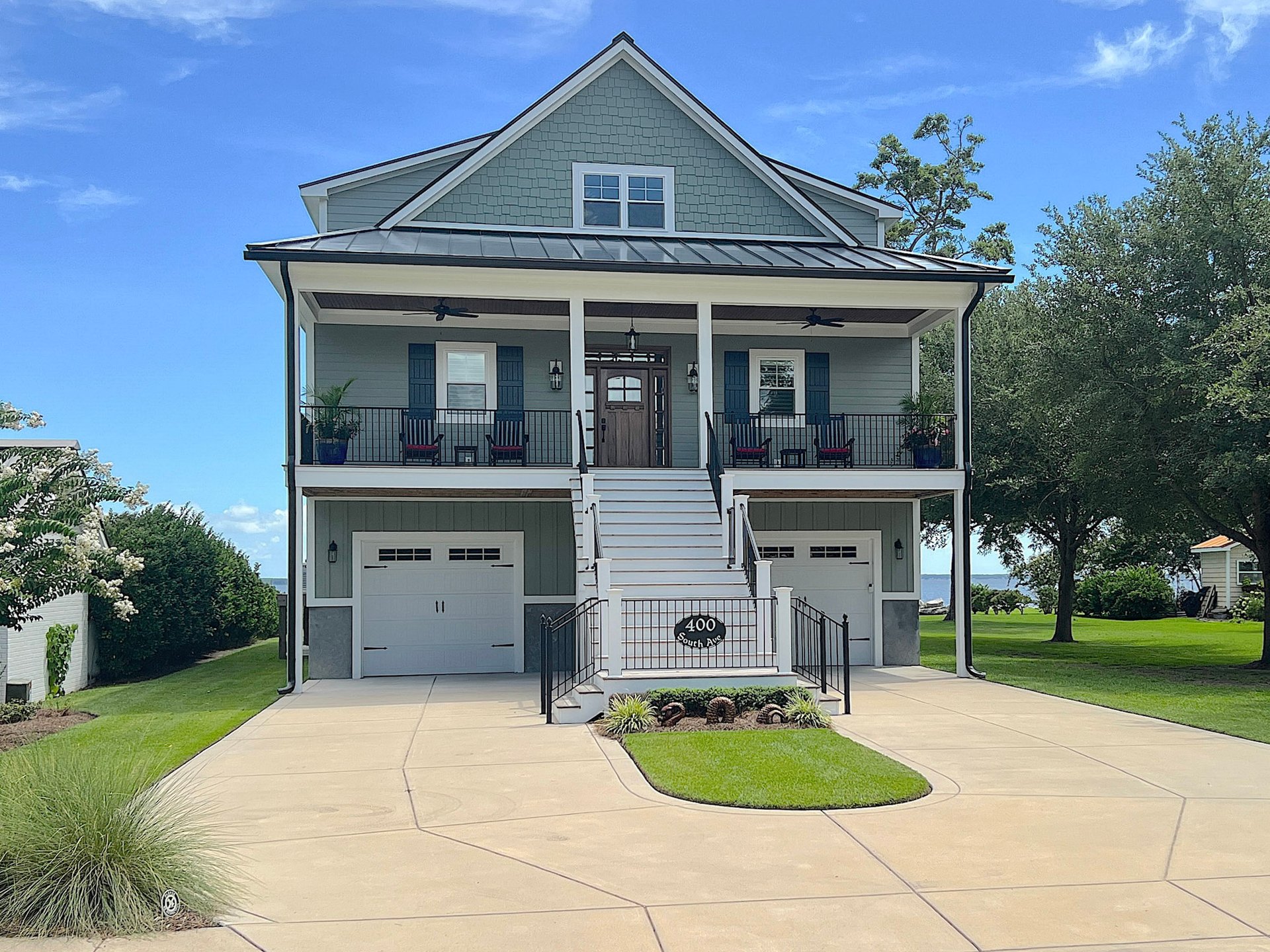
Today, 400 South Avenue occupies that historic ground. The house is new, but its relationship with Oriental is much older. Behind it lies the broad Neuse River—the water that has defined the village from its beginning. In front, South Avenue leads into the heart of Oriental. From the porch come the parades and rhythms of village life. And standing in the garden is a dragon—Oriental's unlikely and beloved symbol. There is a wonderful continuity to it.
The Midyette story that begins with a gale and a sailor seeking shelter eventually intersects with this waterfront homesite. More than a century later, a new house stands here, looking toward the same river and participating in the life of the same village. The architecture has changed. The view has changed remarkably little. And the water remains.
A PLACE MADE TOGETHER
Sailboats gather on the Neuse. The Croaker Festival brings the village into the streets each summer. The Running of the Dragon remains an Oriental ritual, drawing residents and visitors into the streets as the dragon moves through the crowd. Wednesday evening sailors race across the water. Boats become part of holiday celebrations. Neighbors gather along the harbor, in local restaurants, on sidewalks and porches. And at Christmas, luminarias illuminate the streets of the village. These aren't amenities created for a development. They are traditions created by a town. At 400 South Avenue, some of those traditions pass directly in front of the house. From its broad front porch, the current owners watch Oriental's parades travel along South Avenue—a favorite gathering place they have affectionately come to call the“Parade Porch.” It is a small detail, perhaps. But it reveals something essential about life here. Oriental isn't simply a place to live near the water. It is a place to participate in.